
We said good-bye to Punakaiki today and headed out to see some glaciers. We grew to love the remoteness and stark beauty of Punakiki. To add to the ambiance, the hotel even played Jazz–such as New Orleans legend, Dr. John; Diana Krall; and Brazilian samba music. This is a great place for an illicit affair.
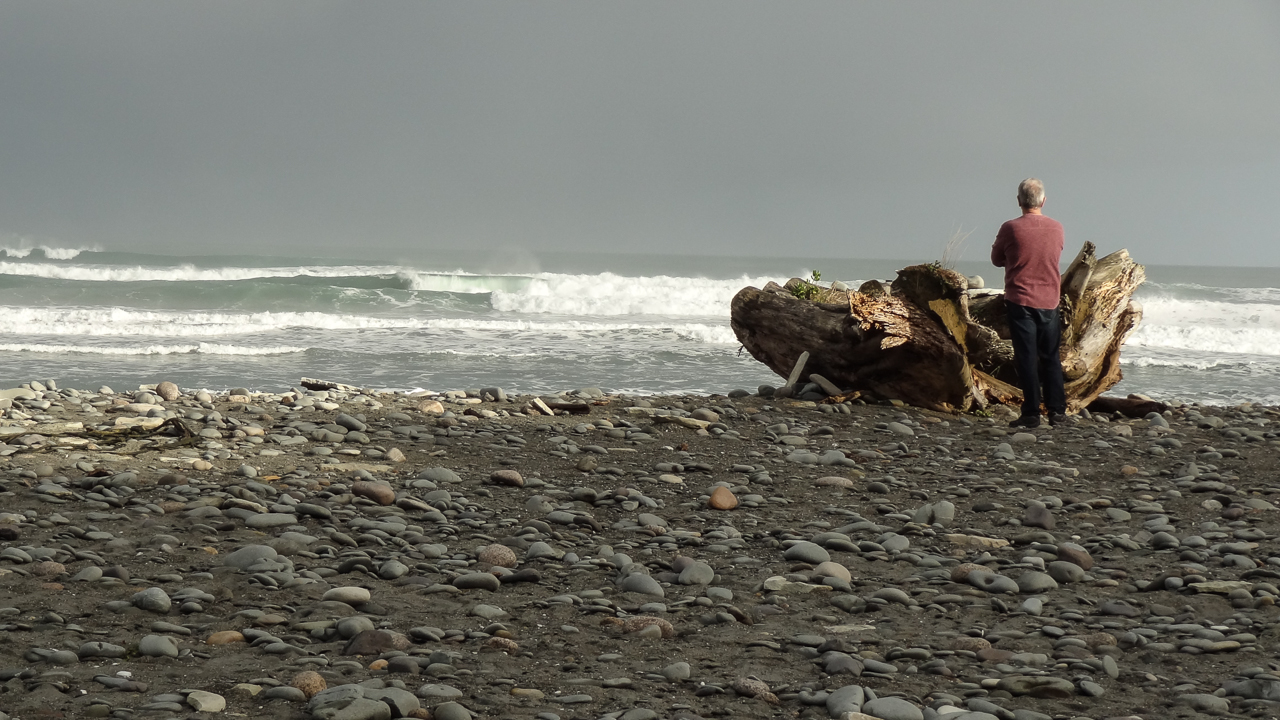
Pete, standing on the black beach and wishing we could spend more time here, gazes one last time at the sea.
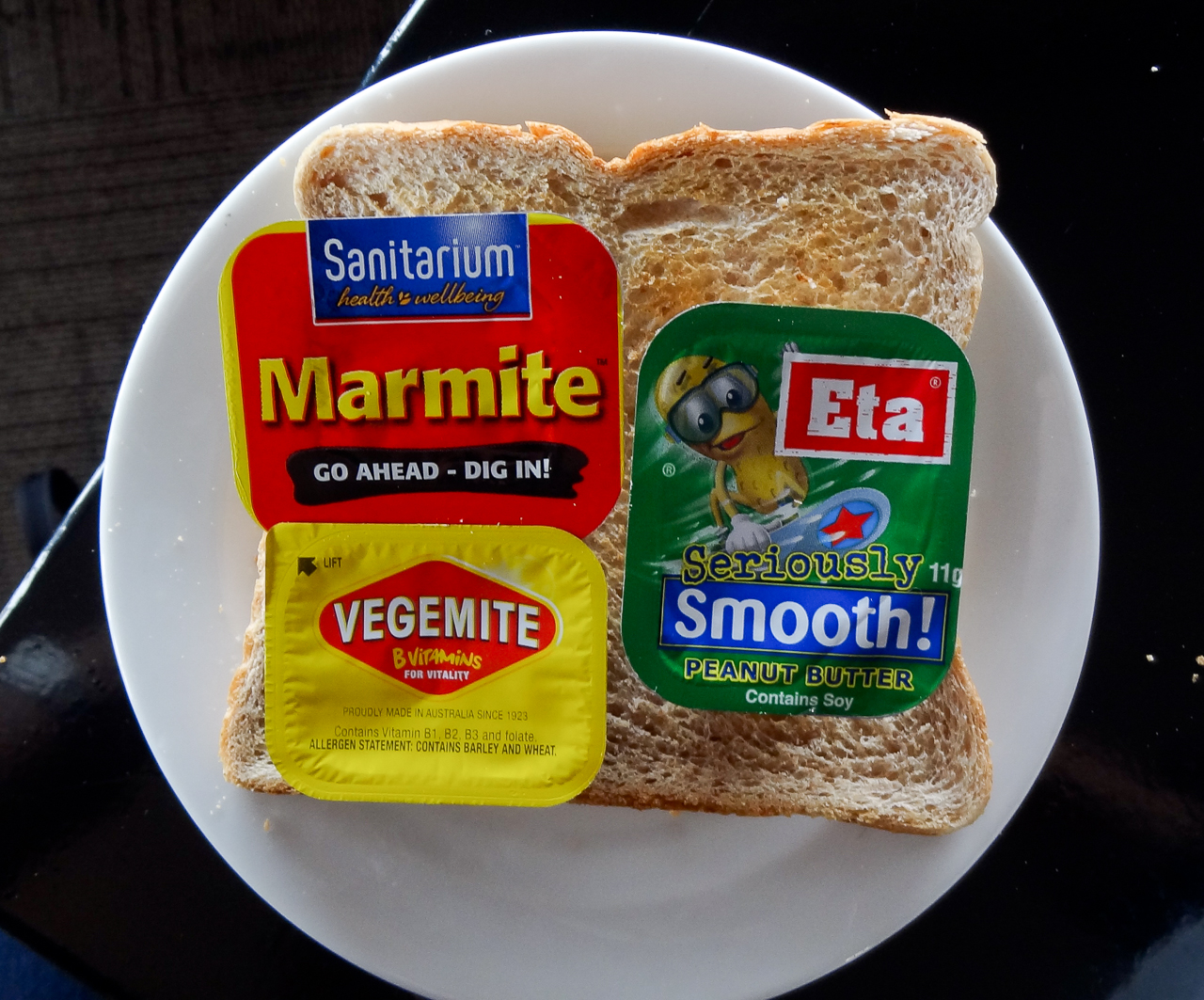
Just for Ros… Before we left, we ate a British style breakfast.
Like America, NZ was colonized by the British. What is odd is that Americans, unlike the Kiwis, have not adopted British foods or customs. Yes, Americans speak English (sort of), but we, unlike the Kiwis, do not use a knife and fork British style; we do not drive on the left side of the road; and we are not major tea, pasty (meat pie), and Marmite consumers. I guess when we kicked the butts of the Brits back in the day, we sent them home with their food, customs and King’s English.
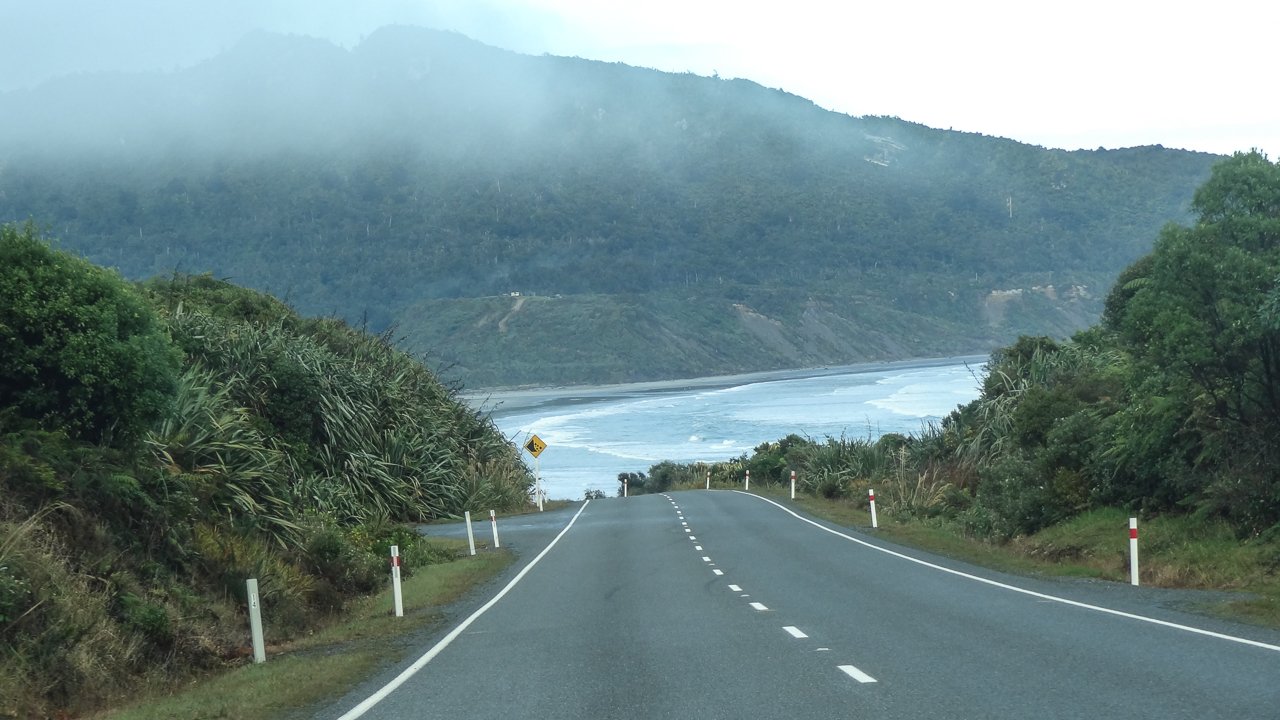
It’s hard to capture on camera the roadside lushness of NZ because we were traveling 80-100 km / hour. All photos become one big blur, but here is one that is in focus. The entire country of NZ is like one big national park. The government spends big bucks keeping the natural infrastructure in tact. Whenever a tree blows down, a new tree is planted to fill-in the gap in the canopy. NZ is eco-conscious, pristeen, and unimaginably gorgeous from coast to coast.
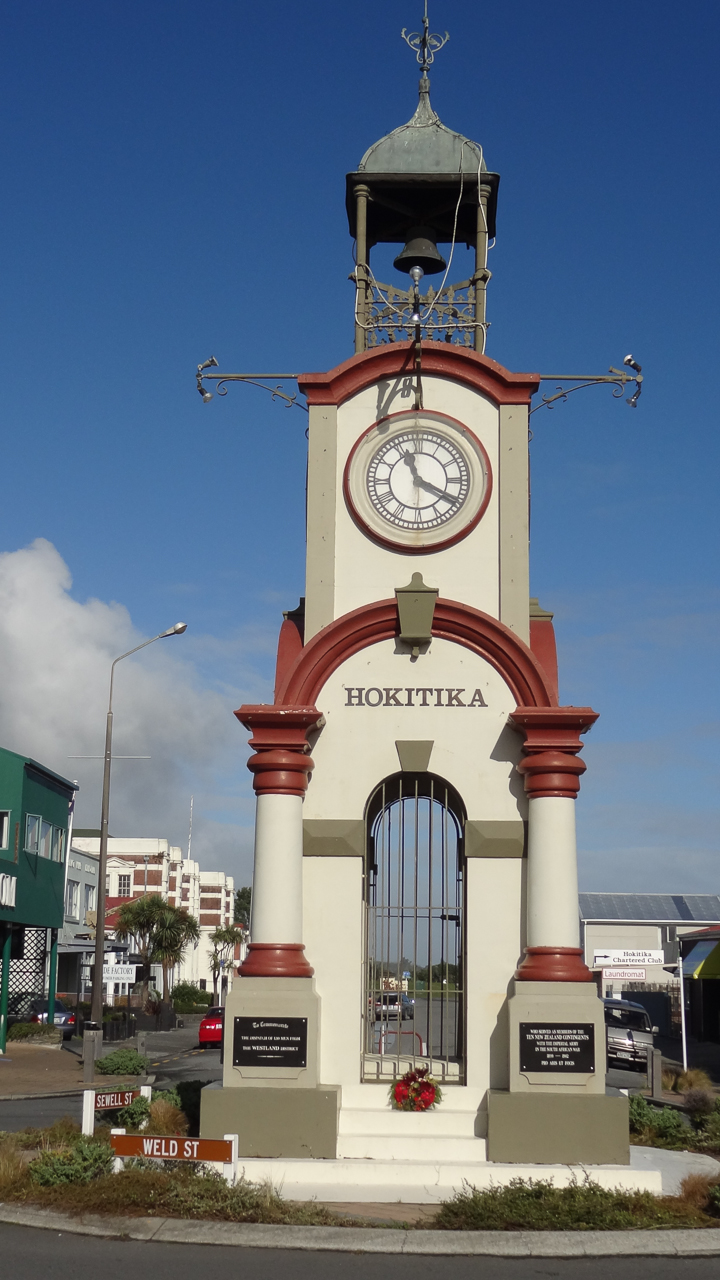
On our way to Franz Josef / Fox Glaciers, we stopped in the town of Hokitika, a historic jade and gold mining hub that is the setting of The Luminaries, by Eleanor Catton (the current Booker Prize winner), a 700 paged tome I am still reading.
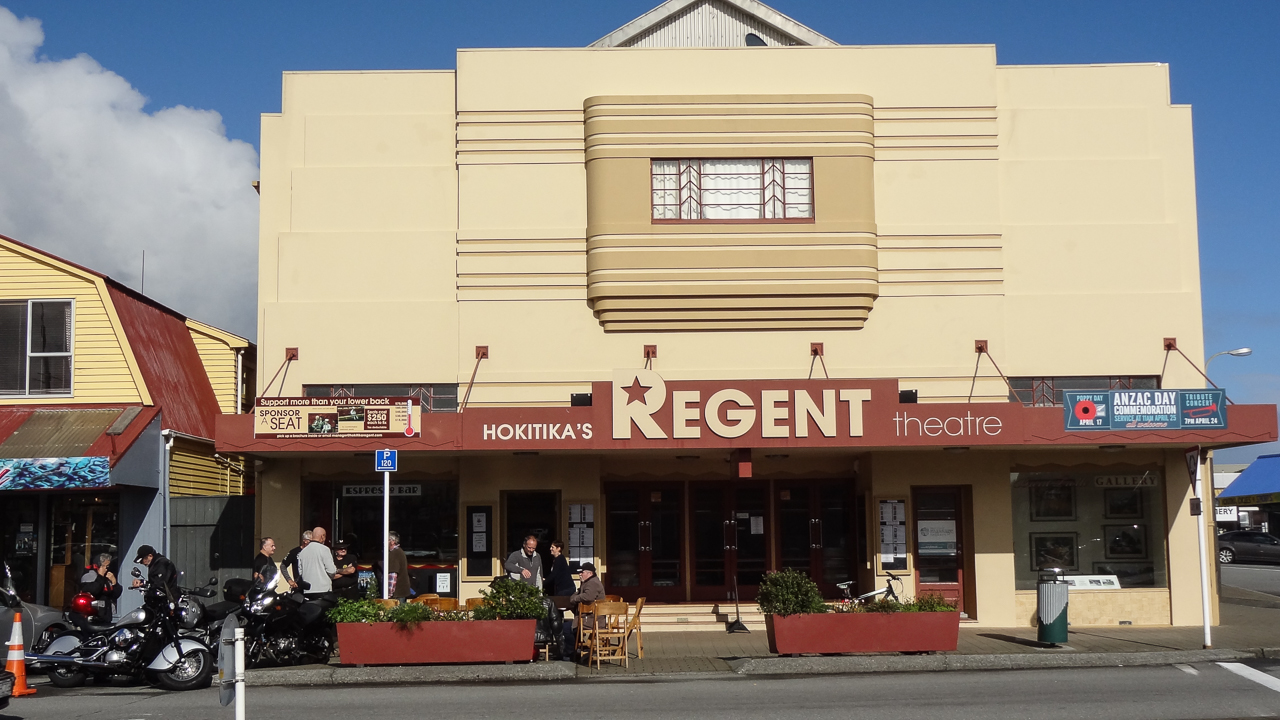
The town contains many heritage buildings with tourists (some on motorcycles) buzzing around the streets.
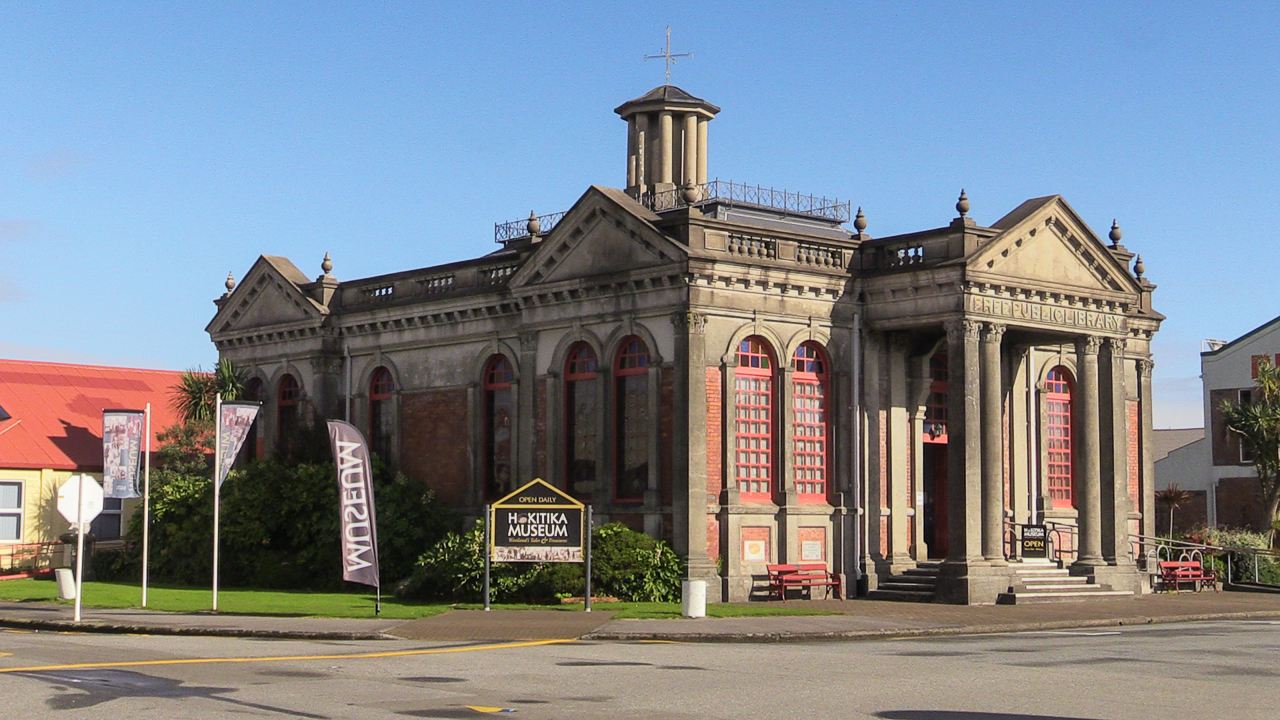
We toured the historical Hokitika Museum. After the gold dried up in California, many prospectors traveled to NZ to pan for alluvial gold. Because Hokitika has a huge natural harbor, boats from all over the world docked here. The passengers came to capitalize off the gold rush.
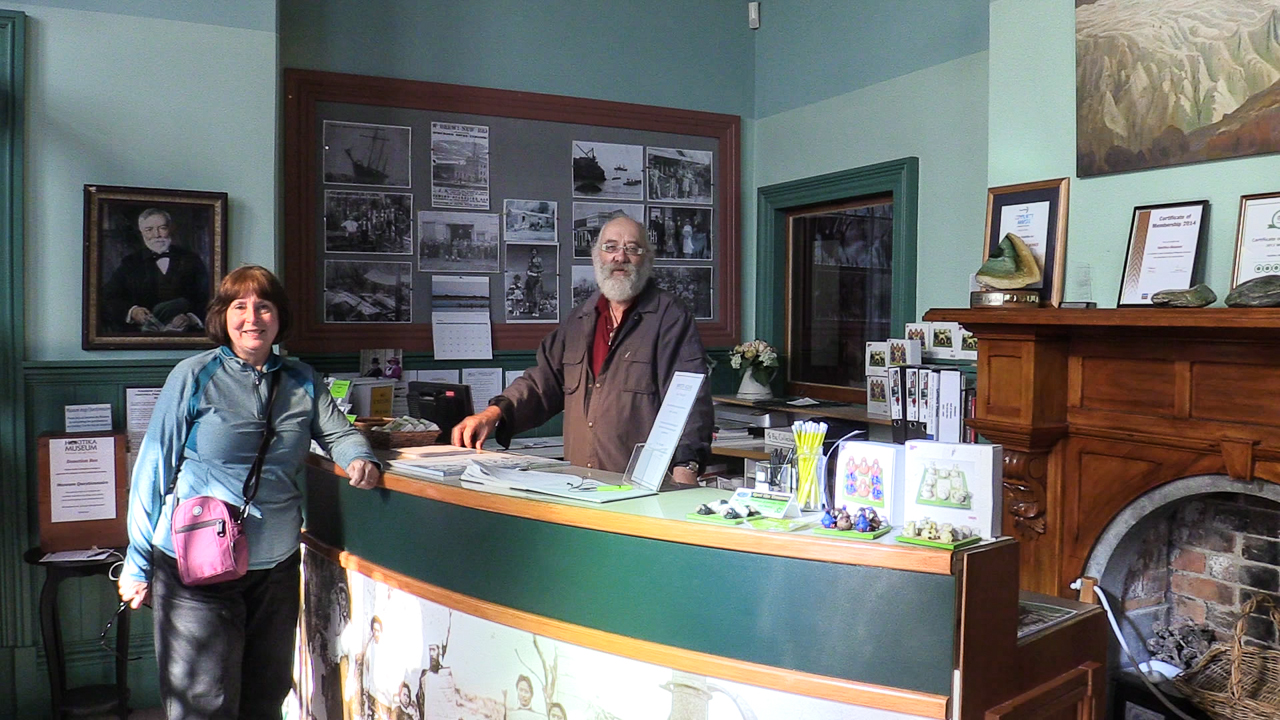
The passionate curator was excited to share his knowledge of the town’s history and the novel, which was the first thing I saw as we entered the museum. He was quite a character.
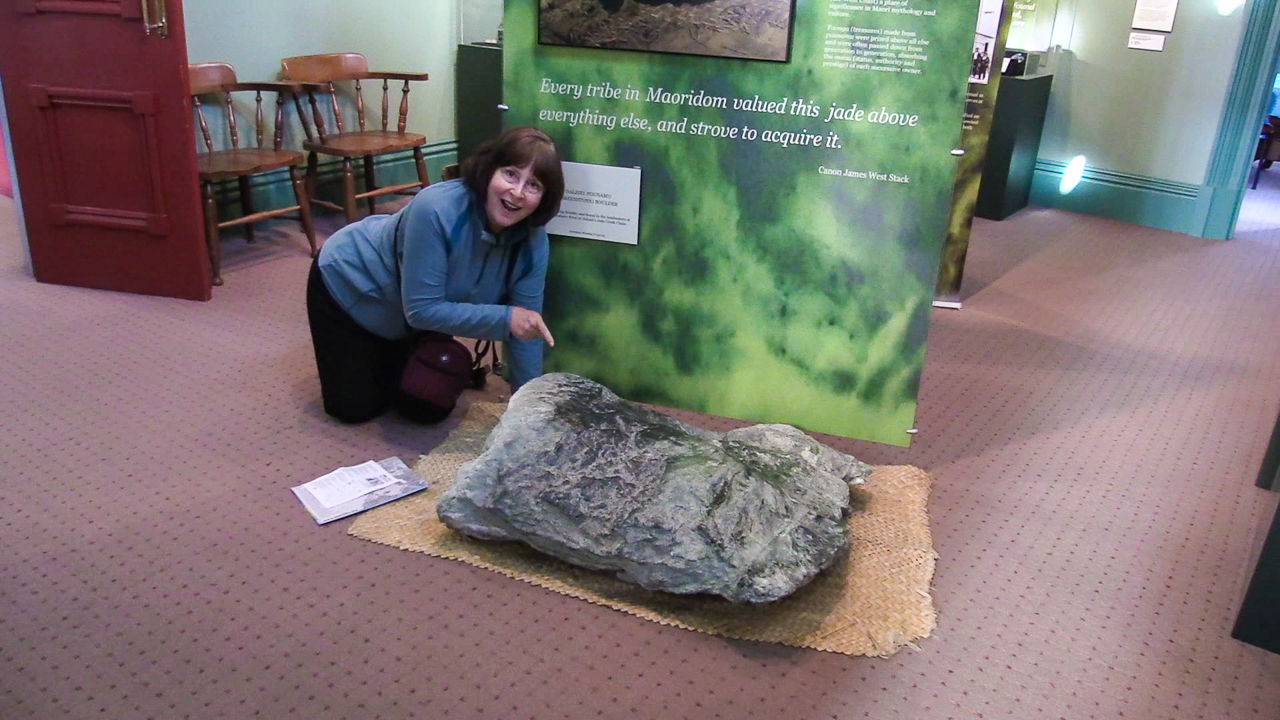
A 300 lb piece of jade
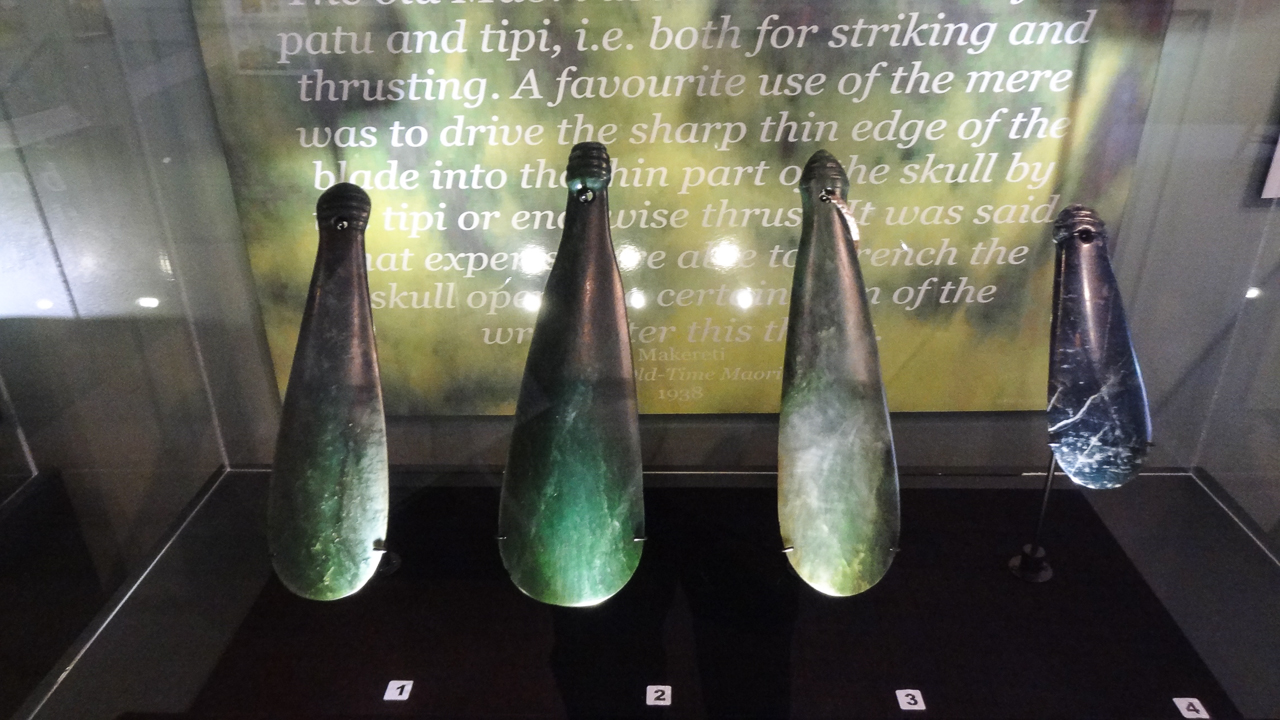
Polished jade
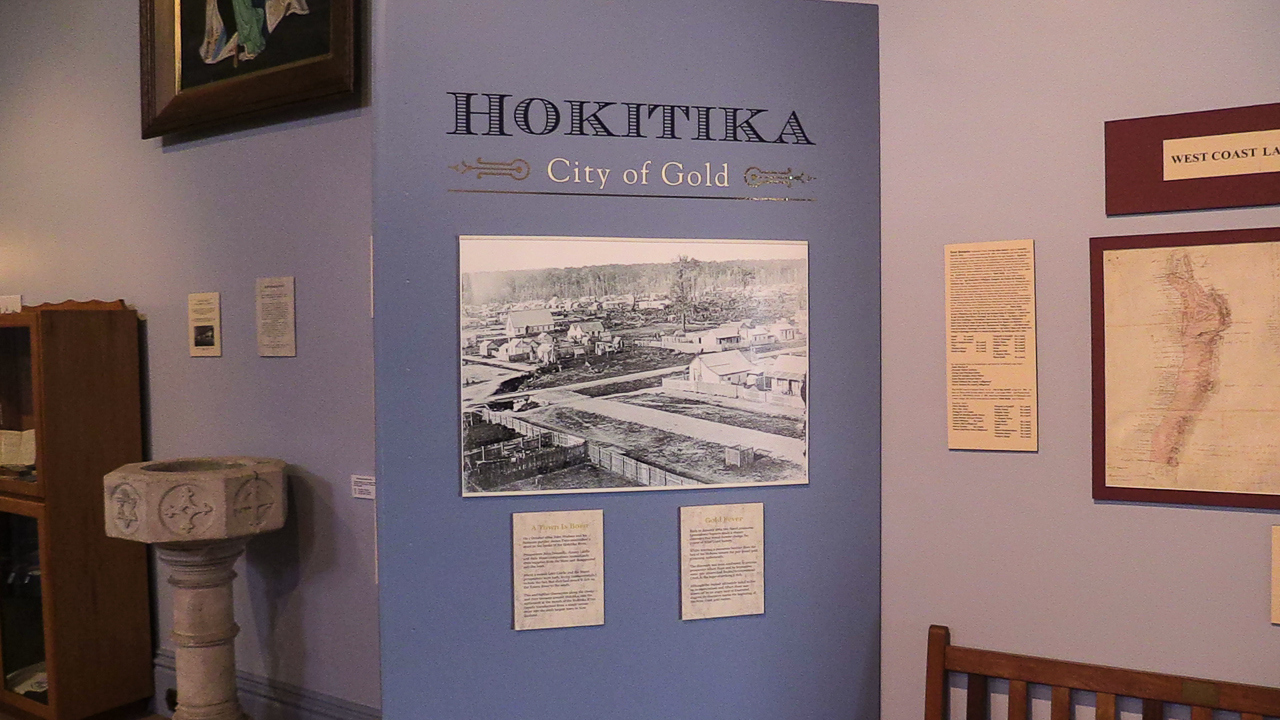
In her detailed novel, set during the gold rush, Eleanor Catton used many of the historical documents seen on the walls here.
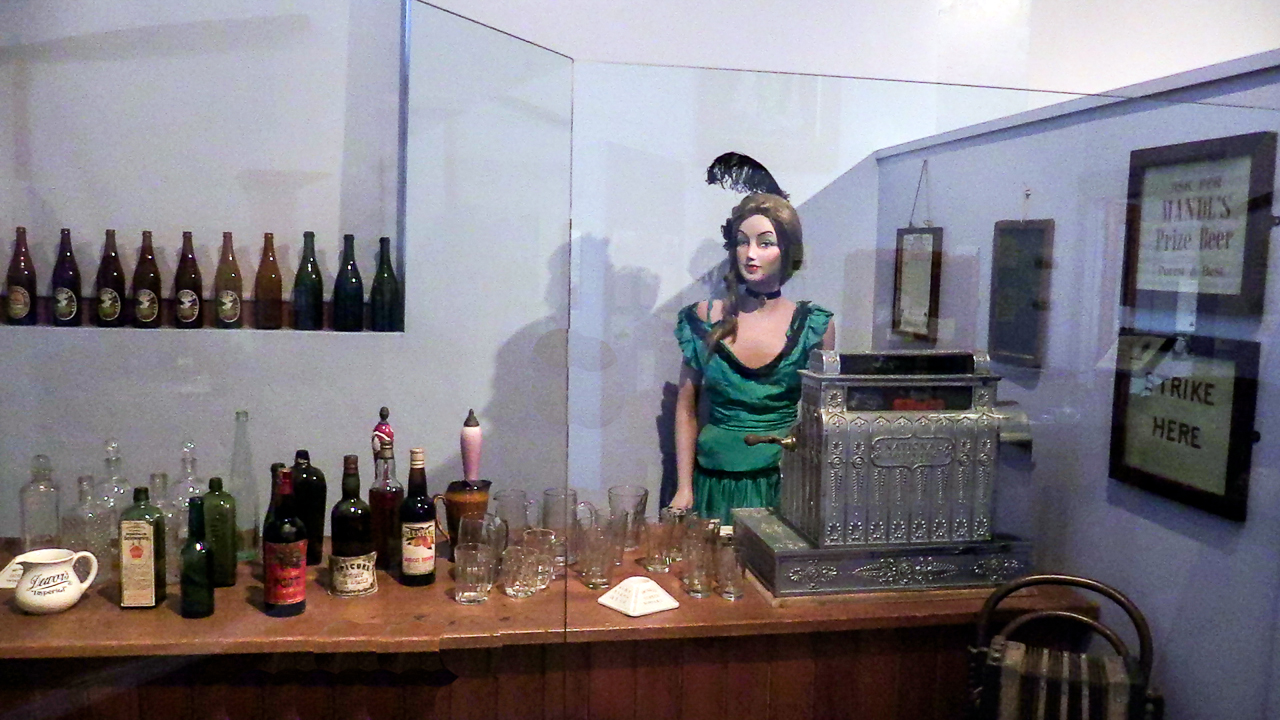
Because the town attracted so many men seeking gold, women (“hostesses”) arrived here to “accommodate” them. To add to the local flavor, the Chinese immigrants brought stress-reducing opium dens to the area.
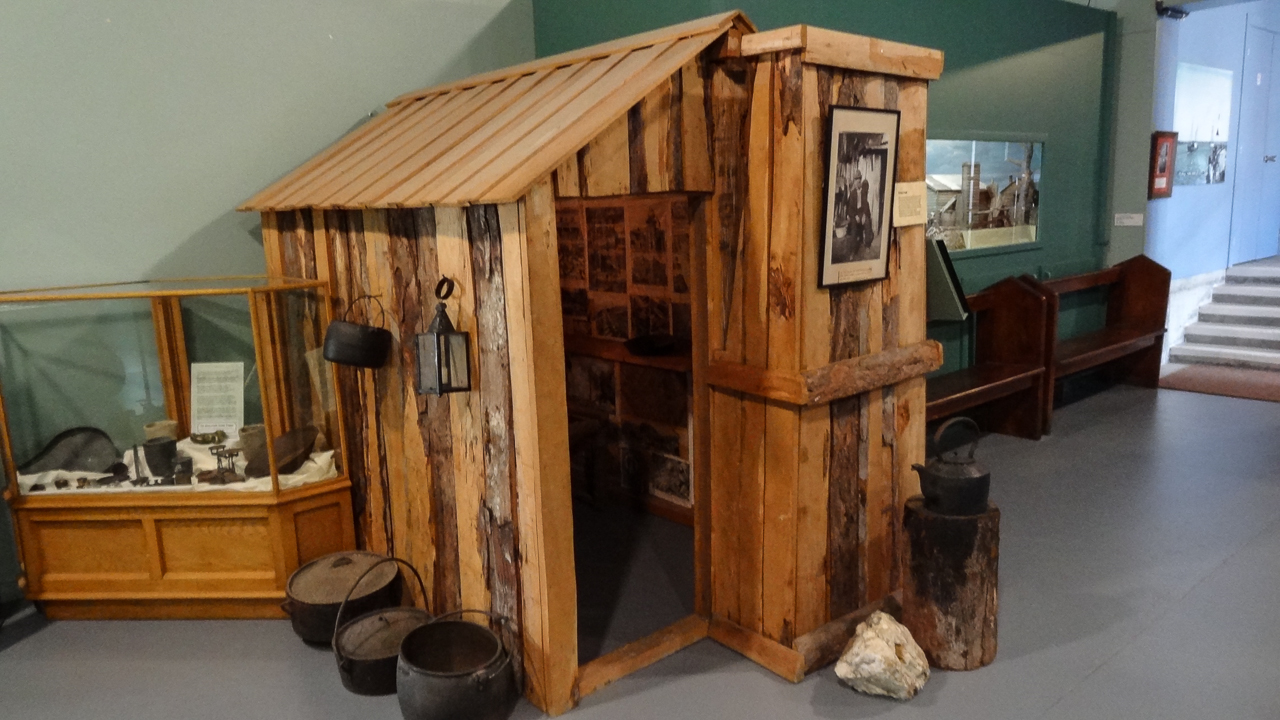
Prospector’s shack. It was a tough life.
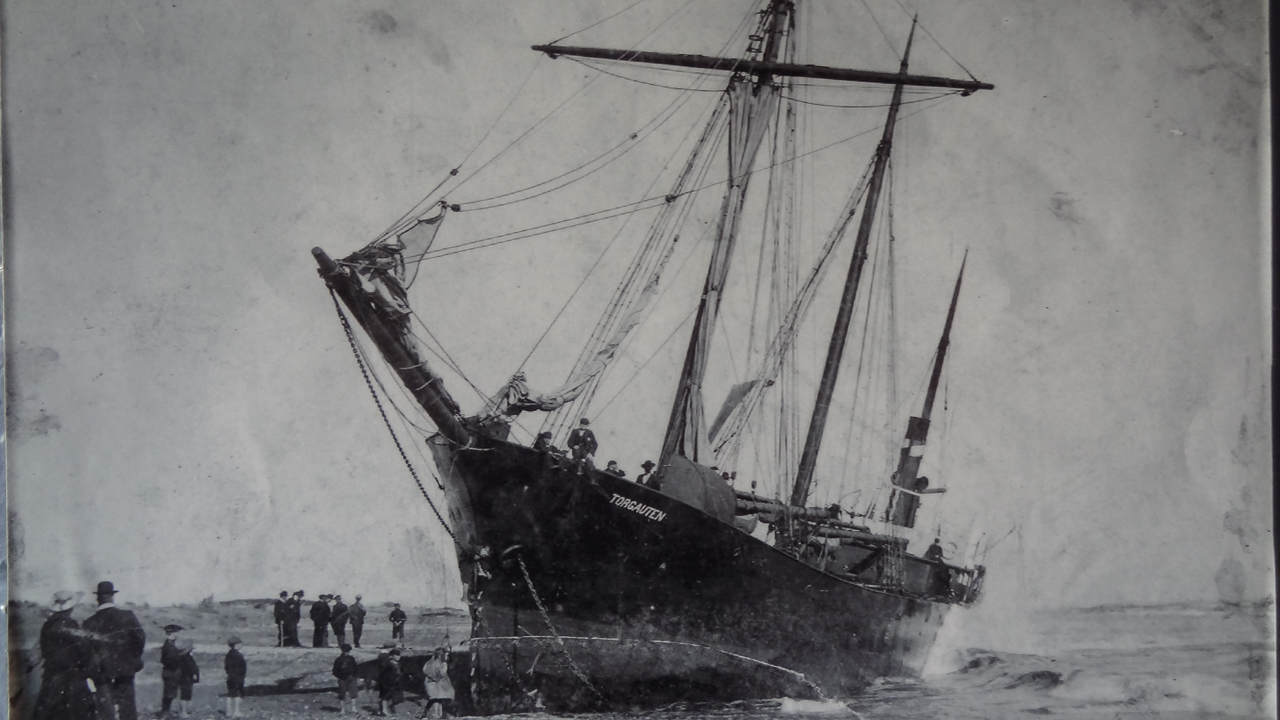
Photo of emigrant ship landing at Hokitika Harbour.
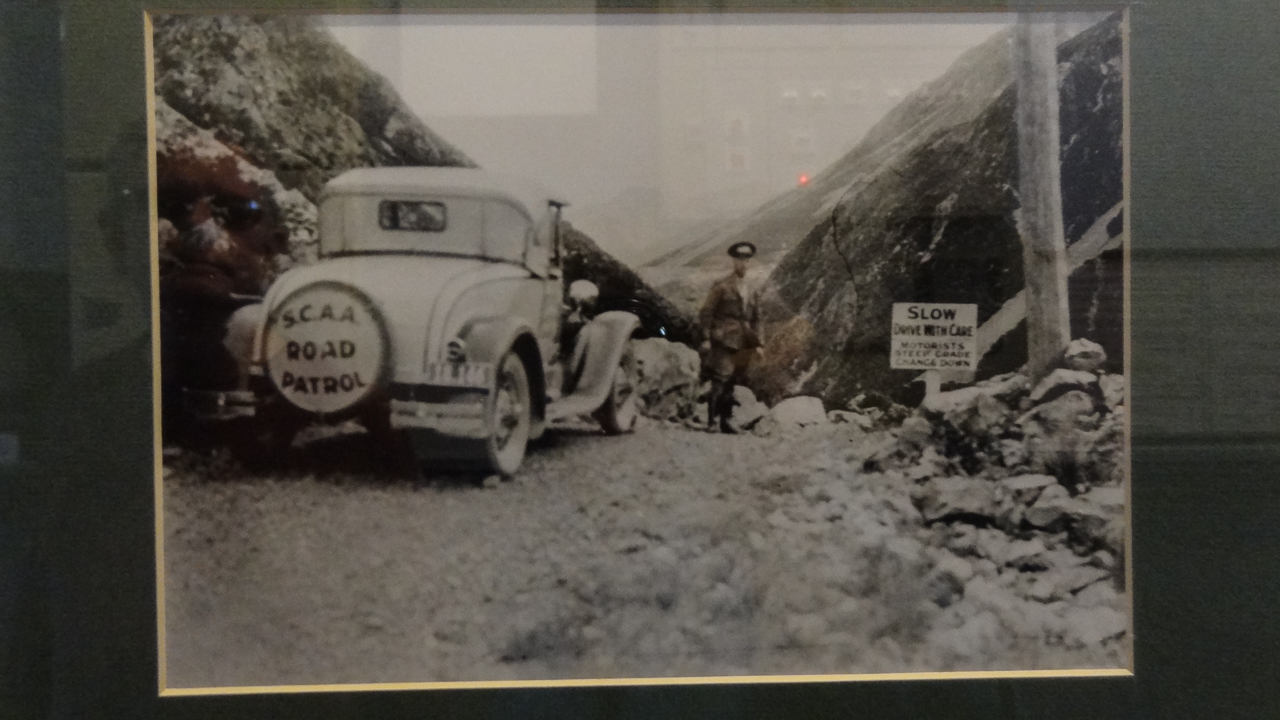
Arthur’s Pass, a rugged mountainous trail, was the only way across the Alps. Today the Tranzalpine Train transports passengers through the pass.
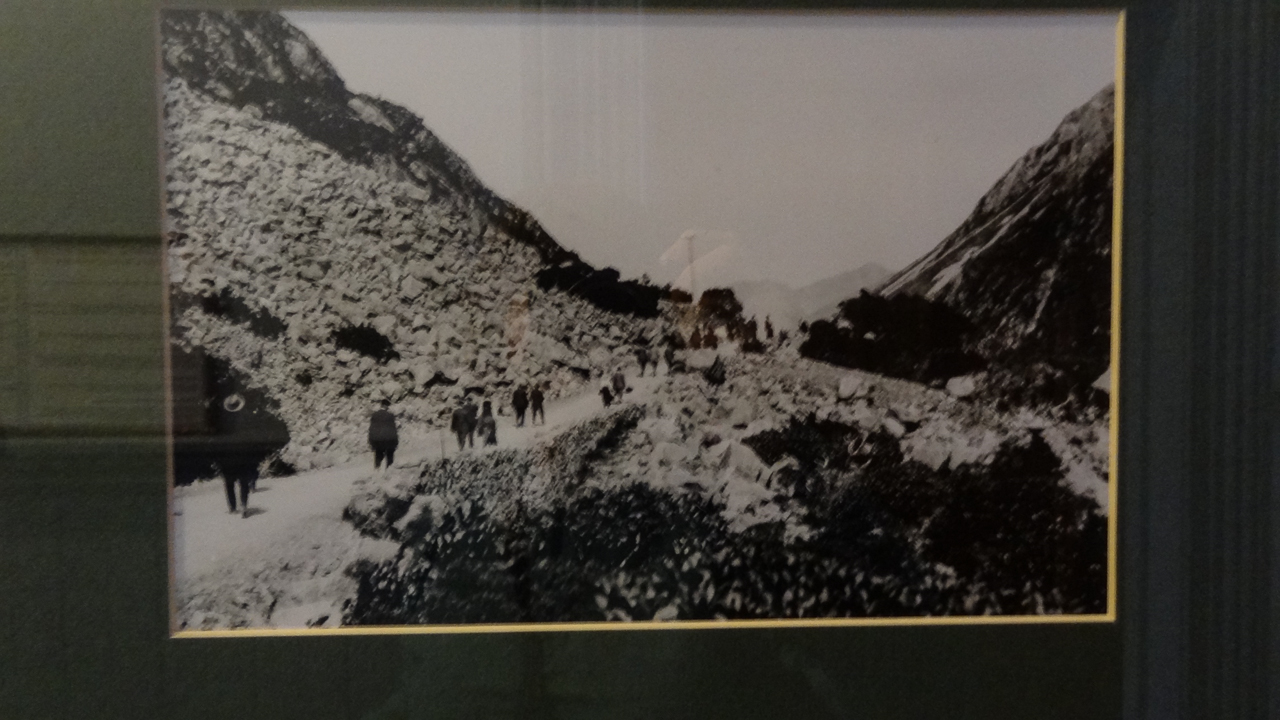
Some of the names of the mountains tell the story of these passengers: Misery Mountain & Dead Man’s Corner.
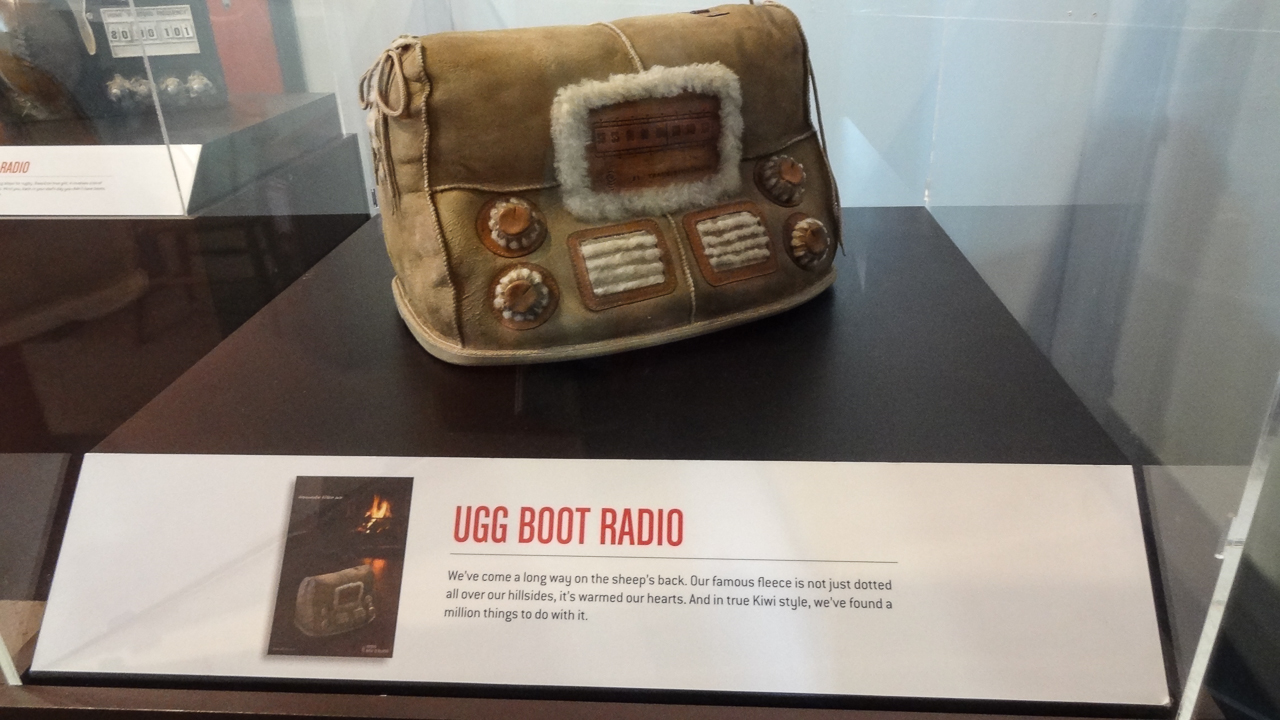
The museum also housed medal winning craft radios that capture the spirit of NZ.
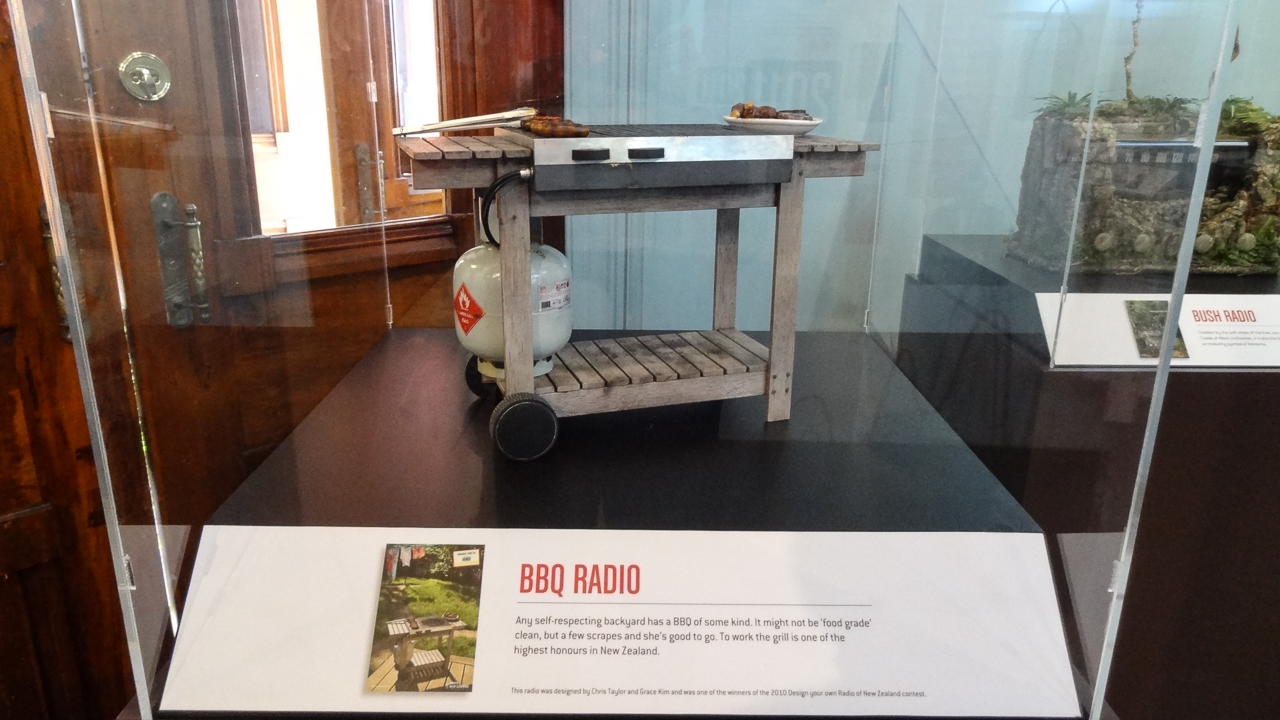
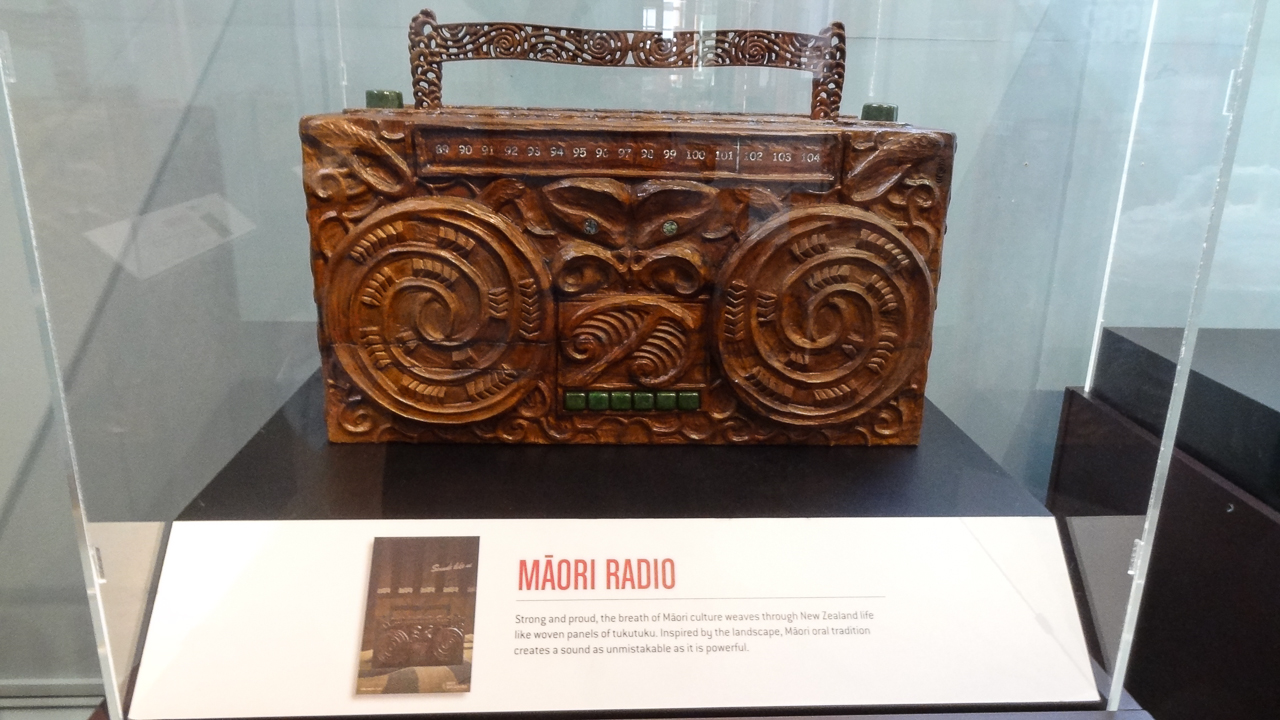
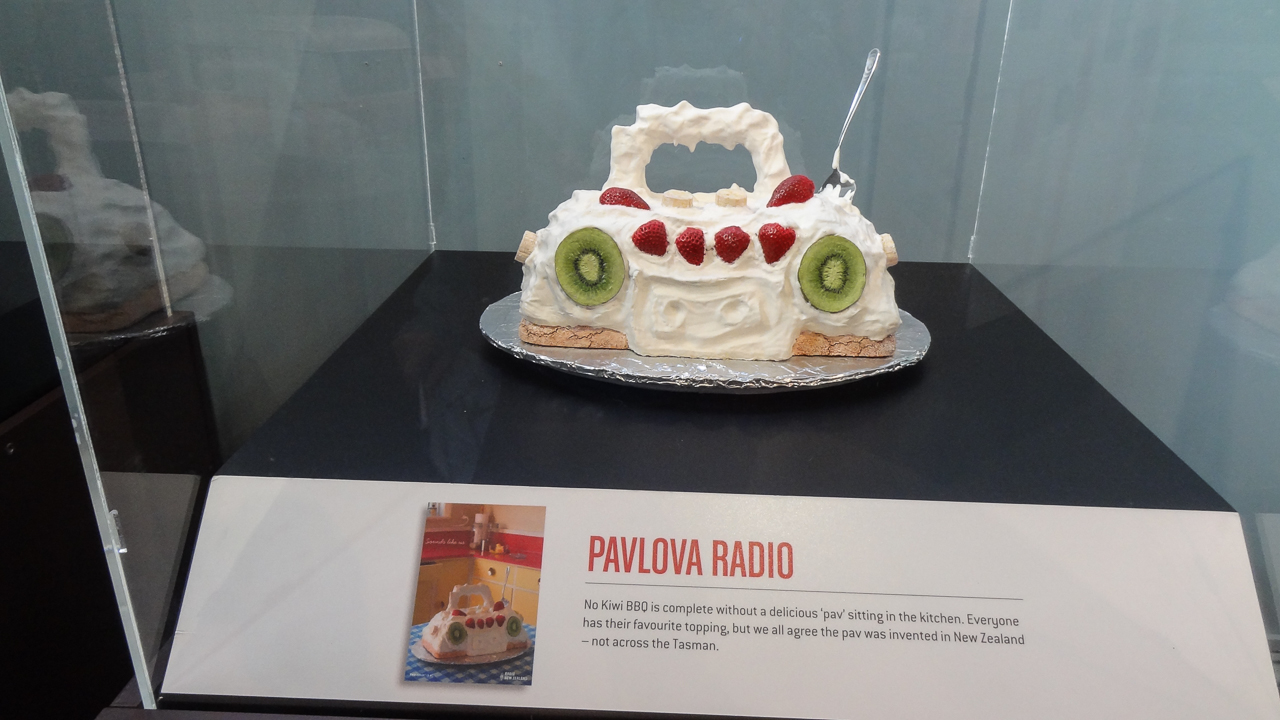
A NZ dessert favorite
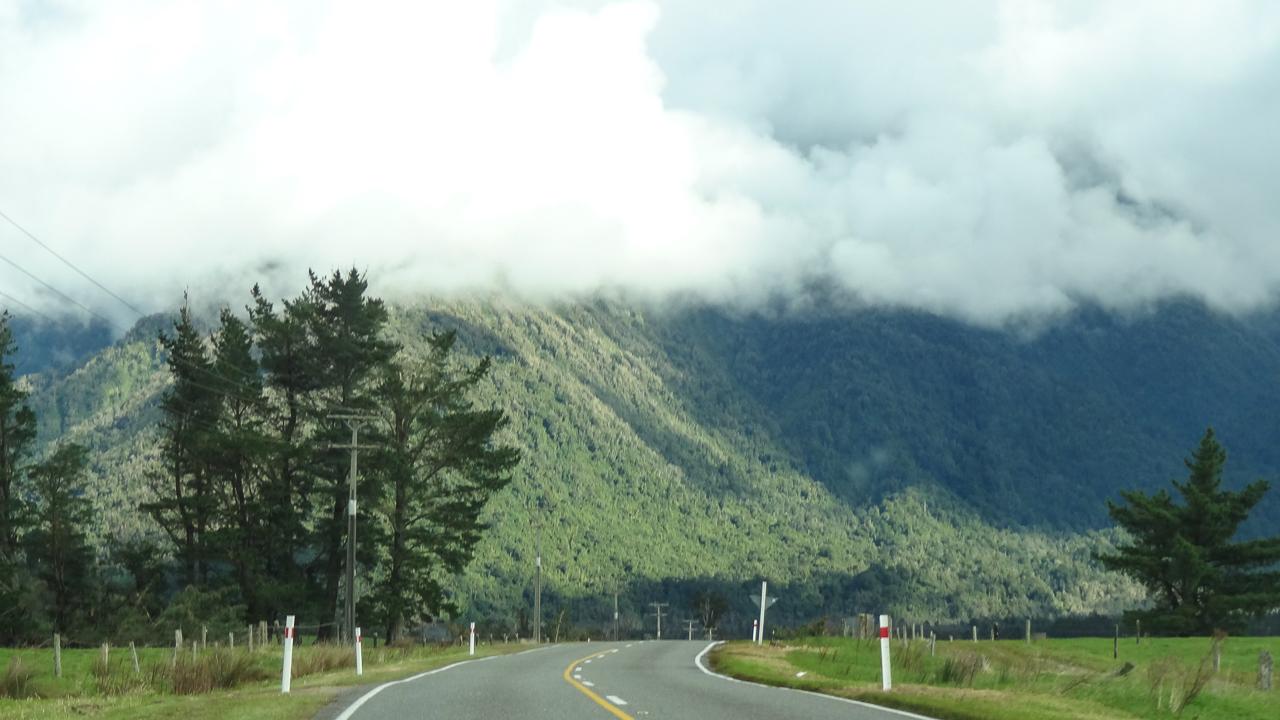
More road pictures
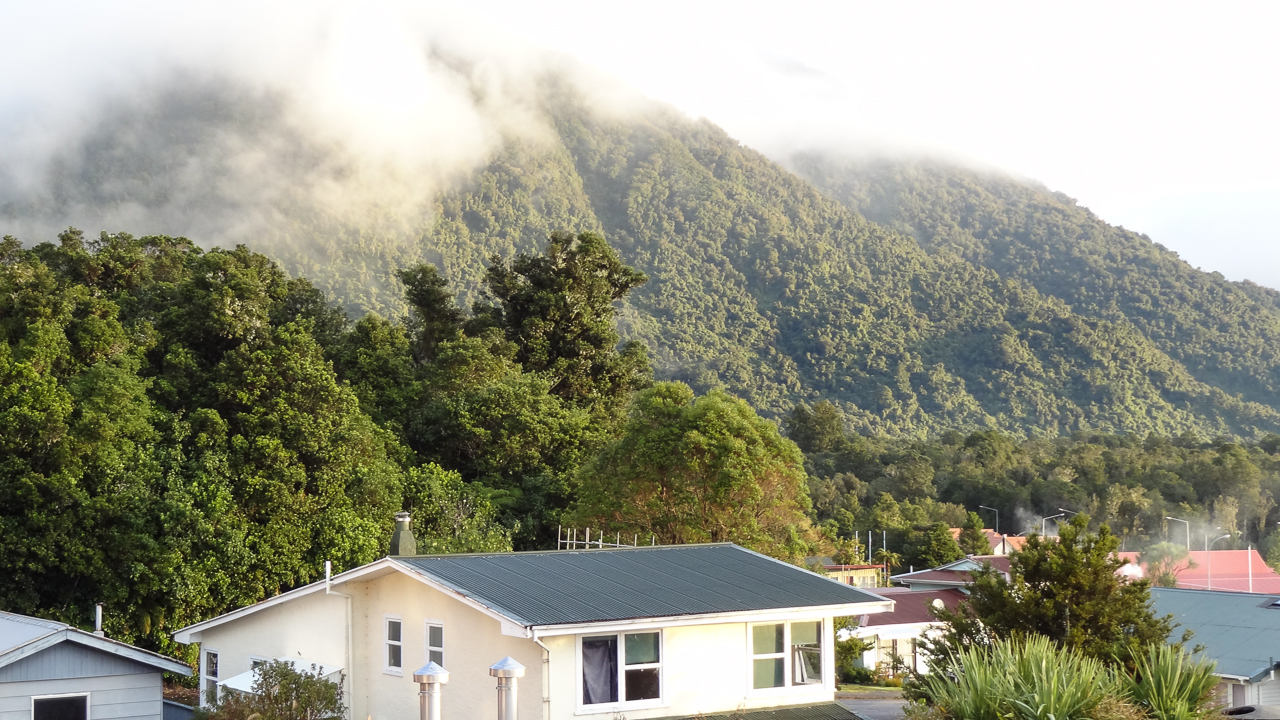
View from our Fox Glacier hotel
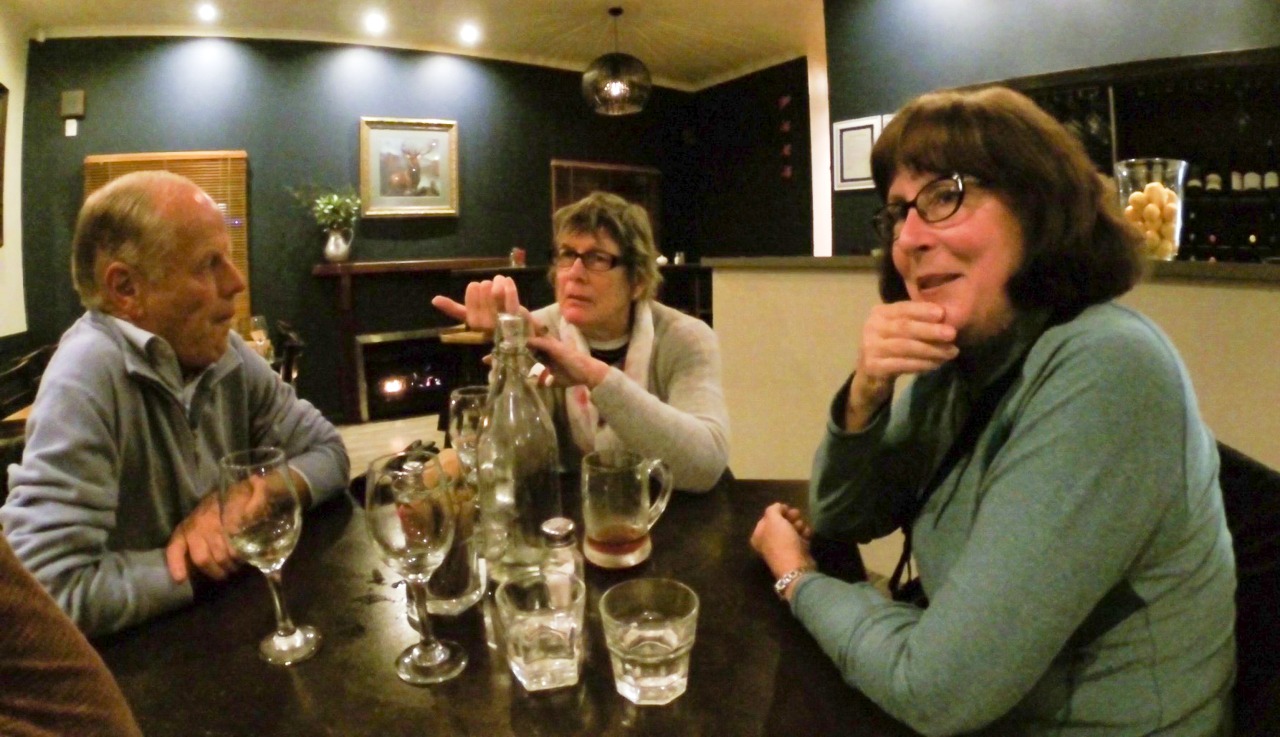
Our Fox Glacier hotel has a wine hour, during which we met a number of interesting folks. We met Janet and Lach, a gregarious Aussie couple, who used to own a sheep farm; we later hooked up for dinner at a local hot spot, The Last Kitchen. Tomorrow we are all in for some serious hiking up to the glacier.
4 Comments
So glad you stopped in Hokitika. We loved everything about NZ but now you can see why the South Island was our favorite.
mmm marmite on toast. I cannot believe how fortunate you have been with the weather.
I had no idea jade came from NZ – I thought it all came from the mysterious orient. I have been told by others that NZ is the most naturally beautiful country in the world and I guess you would concur. Can’t wait to see Pete’s movie of the glowworms!
Finally catching up on the blog. This sounds like my kind of place—huge rocks and books!!! So jealous! Can’t wait to catch up this weekend!